
Update on my 2023 essay of the same name
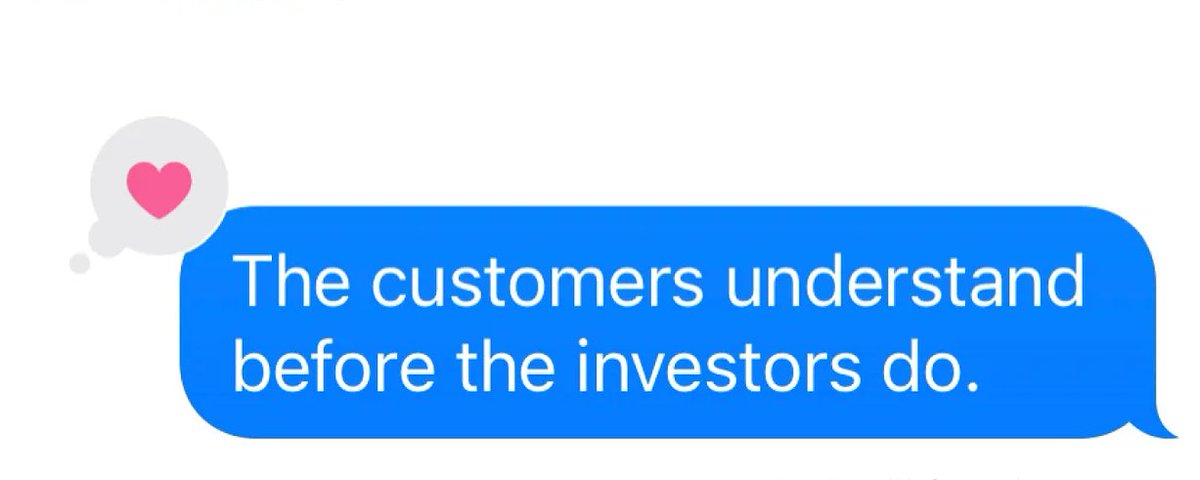
Most founders are better off getting a product into customers' hands instead of going straight into a fundraise. The reason: customers understand before the investors do, and often most investors will never understand.
In the past, I've described two types of fundraising strategies:
Sell the Dream
Sell the Traction
Selling the dream means you do not have a product in the market. Selling the traction means you have promising early signals from customers paying for your product.
When I started working with Adeel at MagicSchool they had just about everything going against them when it came to fundraising:
Solo founder
Nontechnical
Building in EdTech (perhaps most hated investment sector)
Instead of spending time talking to investors, Adeel got to work and shipped a prototype. 100 teachers were using it in the first week. 1,000 the next. Every step of the way, companies like MagicSchool are misunderstood by the vast majority of investors. That is OK. The customers understand immediately and a sufficient number of investors understand eventually.
Beyond customers being the most important (they are they people you serve), they are also the best type of momentum as it directly translates to fundraising momentum.
Customers can become investors
There's a company I work with where customers loved the product so much that they asked to angel invest. Customers wanting to invest can provide validation that you're building something of importance:
They could have tried fundraising instead, but they were just out of university, and it would have been hard to convince investors. It was only when their customers started asking if they could invest that they considered running a fundraise process. They had such strong customer momentum that it also created momentum in their fundraise, resulting in multiple term sheets from lead investors.
(from Founders and Momentum)