
Robinhood today is a $67 billion personal finance colossus. With 27 million funded accounts, hundreds of billions of dollars worth of platform assets, and $4.5 billion in revenue last year, Robinhood's bet that consumers would invest on their smartphones has more than come good; it's built one of the great American tech companies of the last decade.
But Robinhood, like any publicly-listed tech company, was once a startup. And one that was fighting for attention when it was small, and still working to reach its target audience. So what did the company do to keep its buzz up while fighting for eyeballs and downloads?
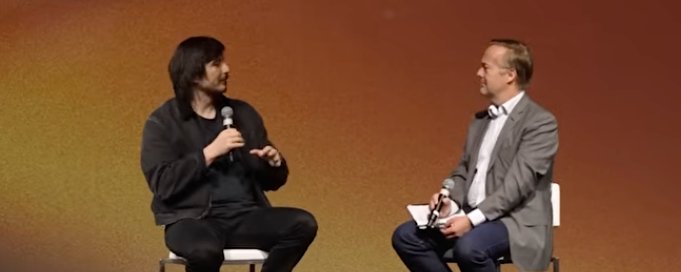
It launched twice. Here's Robinhood CEO and co-founder Vlad Tenev describing the tactic to Jason Calacanis at the recent LAUNCH event in San Francisco (full episode here):
The historical record provides receipts. Here's TechCrunch covering the company's initial gated launch in late 2014, and here's Fortune covering the removal of Robinhood's wait list in early 2015 to pick two obvious examples.
Vlad's lesson on launching twice is simple: People aren't paying much attention to your startup when it's new, so you can make as much noise as you want. (The seven people who will remember your first launch may post about the double-dip, but how big is their audience?)
Startups in recent years have taken the Robinhood story to heart. The launch video boom of 2025 was a testament to the idea of generating asymmetric amounts of digital noise ahead of traction. Sure, some of the resulting clips were cringe, but do you recall which were and which of the video segments you saw on X were not? Nope. The cost of securing more attention was nil; the value of the same attention was potentially priceless.
So be loud, launch twice or even three times. Shout about your startup until the market remembers your name. At that point, what can stop you?