Finding signal on Twitter is more difficult than it used to be. We curate the best tweets on topics like AI, startups, and product development every weekday so you can focus on what matters.

Building Projects for AI Product Manager Job Search

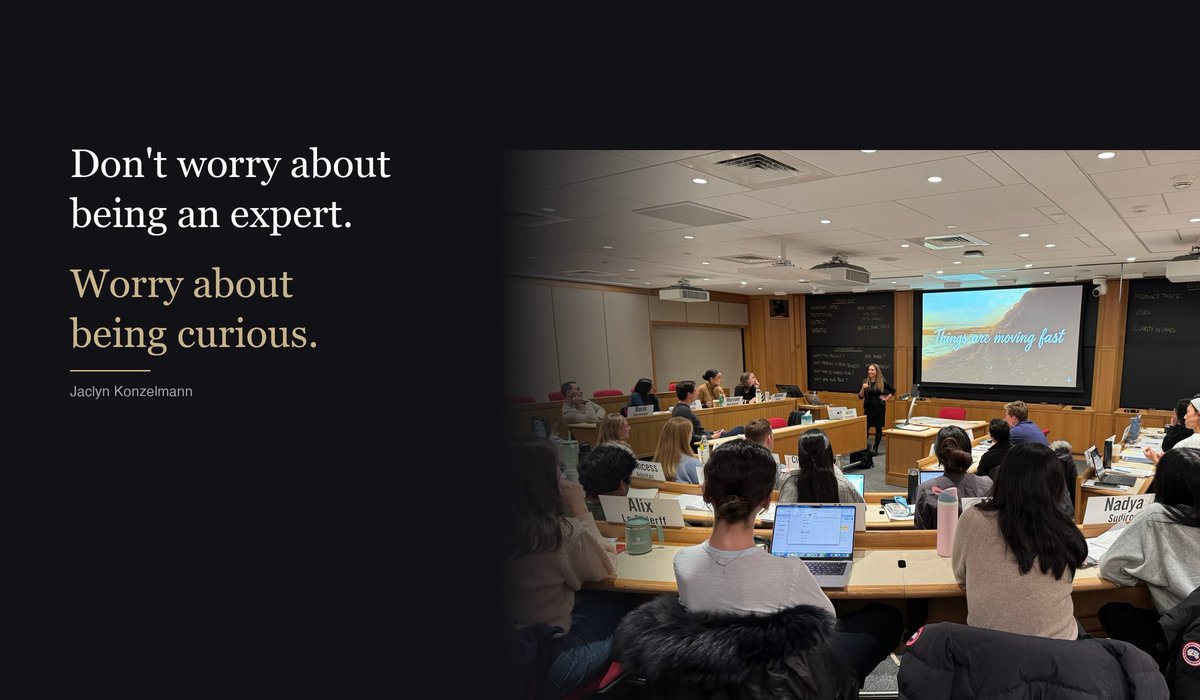
If you want to get hired as an AI Product Manager in 2026, do this one thing: Go build something. I just visited Harvard Business School to lead a session on PM resumes. We reviewed 30+ resumes and had a conversation about what "AI Product Manager" actually means today (hint: it should just mean Product Manager at this point). The single biggest signal I look for has changed in 2026. It's not your standard spec writing ability or your bug bashing mastery. It's this: Did you build anything? Not a startup. Not an app with 1,000+ users. Just a weird little thing that solved a personal problem in a way that feels interesting. That tells me more about your curiosity and agency than any other bullet point. Here's why this matters now more than ever: The bar has been raised for everyone - including existing PMs. We're all going through a collective upskilling moment. The skills that made someone great 5 years ago (lengthy specs, edge case mapping, managing complexity through documentation) are not the skills that define success today. That levels the playing field. If you're hungry and willing to get your hands dirty with modern tools, you can outpace someone with 10 years of experience who refuses to adapt. When I scan a resume today, I'm looking for 3 things: 1️⃣ Evidence of building - Words like "prototyped," "built," "deployed." The lines between PM, UX, and Eng are blurring. If you're still just writing documents, you're falling behind. 2️⃣ AI fluency in your workflow - Listing "Microsoft Office" under Skills doesn't impress me. Tell me you know AI Studio, Claude Code, Cursor, or Codex. These are the tools of the modern builder. 3️⃣ Systems thinking - I want PMs thinking about what's possible now. Memory systems, agentic capabilities, proactive context. Not just AI features bolted onto existing apps. And finally: your resume should be a pitch, not a receipt. Own your narrative. Have a portfolio site, a GitHub, a blog - something that shows me how your brain works. We're all learning in real-time. Don't worry about being an expert. Worry about being curious. Full post with the detailed examples (including a fun story about a feature that took me weeks of specs that I'd now prototype in an afternoon) in my Substack: https://open.substack.com/pub/jacalulu/p…

Content

Topics

Read the stories that matter.

Save hours a day in 5 minutes