Finding signal on Twitter is more difficult than it used to be. We curate the best tweets on topics like AI, startups, and product development every weekday so you can focus on what matters.

Andrey Breslav on Creating Kotlin and CodeSpeak

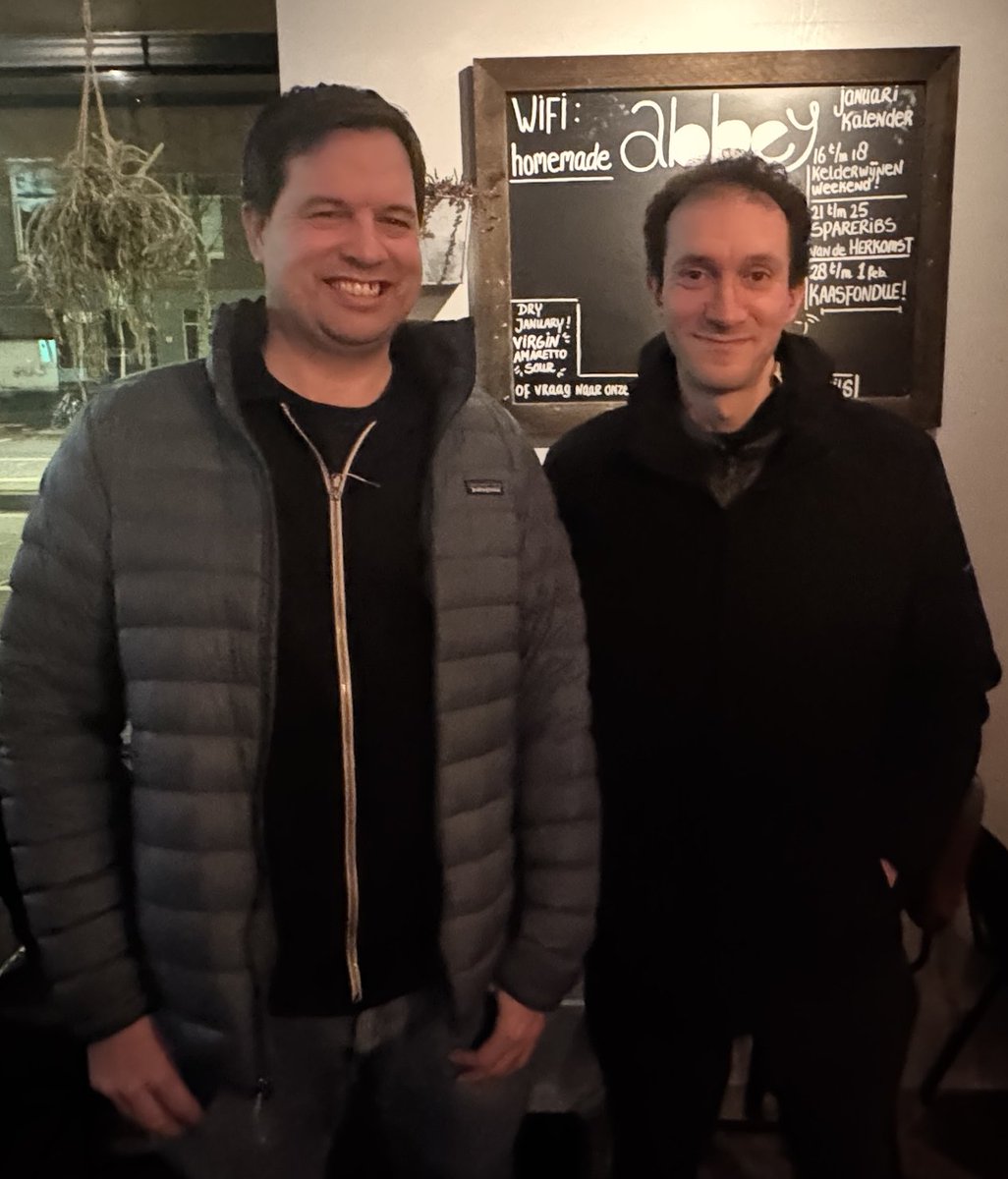
Seven of my biggest takeaways after a rare podcast with the creator of Kotlin, @abreslav 1. Kotlin was born because Java stagnated for six years. By 2010, the last major Java release was Java 5 (2004). Java 6 (released in 2006) made zero language changes, Java 7 (released in 2011) made minor ones, and lambdas didn’t arrive until 2014. Meanwhile C# had lambdas, properties, and more — creating a clear market opening. 2. Kotlin’s first version was not a compiler: it was an IDE plugin (!!) In a smart move, Andrey decided to build an IDE plugin that utilized IntelliJ’s parsing infrastructure first. This let Andrey demo the language interactively before anything could compile 3. The initial Kotlin team was almost entirely made up of new grads. Andrey hired some of his former university students to work on Kotlin. Many became core contributors who built foundational parts of the language. I found this story inspiring: it’s a reminder that you don’t need lots of experience to build durable things, as long as you are a fast learner. 4. Omitting the ternary operator is one of Andrey’s biggest design regret. In Kotlin, Andrey removed this operator because "if" was already an expression, freeing up "?" and ":" for nullable types and type annotations made sense. But if, as an expression, turned out to be verbose. 5. Kotlin adding Android support was accidental. An Android developer literally asked the team "does Kotlin work on Android?," the Kotlin team checked, and theirtoolchain crashed. The Android tools were stricter than the JVM because Android developers "actually read the spec" (ha!) Ironically, this strictness made Android a great testing environment for validating Kotlin's bytecode correctness, and it was the reason the Kotlin team fixed up Kotlin to also compile on the stricter Android JVM. 6. 2026 will be the year of the IDE comeback vs terminal-based tools. While Andrey praised Claude Code as “a complete breakthrough of what you can do in a terminal,” but argued that we can work better, as devs, inside specialized environments. He expects new development environments built from the ground up for agent-first workflows. 7. What's next after Kotlin? A new type of programming language! Andrey is currently building a new programming language, but one based on English. It's called CodeSpeak (https://codespeak.dev): and it is neither a formal language, nor just prompting. It’s designed for engineers, not casual users, and aims to shrink typical application code by roughly 10x. What remains is “the essence of software engineering” — only the things the human uniquely knows about what needs to happen, because “everything else, the machine knows as well.” Watch the full podcast episode - which is probably the most in-depth history of Kotlin - and what's next - , as told by Andrey: https://youtube.com/watch?v=ZggUn2mNqMU. Other platforms: https://newsletter.pragmaticengineer.com On the photo: me and Andrey after the podcast recording, in Amsterdam

Content

Topics

Read the stories that matter.

Save hours a day in 5 minutes